What types of synthetic Iranian machine-made carpets are there?
|
Several centuries ago, carpets were considered a sign of wealth; they were handcrafted exclusively from natural materials such as silk or wool.
|
|
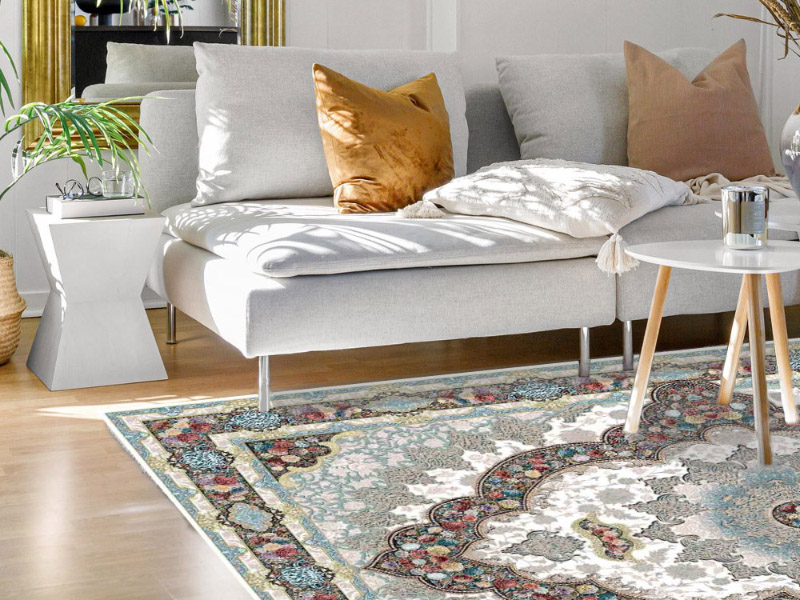 With the advent of new technologies, synthetic fibers entered the carpet industry. People began to actively use synthetic carpets for several key reasons: With the advent of new technologies, synthetic fibers entered the carpet industry. People began to actively use synthetic carpets for several key reasons:
🔹First, affordability price. Synthetic materials are significantly cheaper than natural wool and silk, making carpets more accessible to a wider range of buyers.
🔹Second, wear resistance and practicality. Synthetic carpets better withstand high traffic and are resistant to moisture, stains, and fading. This is especially important for families with children, pets, and commercial spaces.
🔹Third, ease of care. These carpets are easy to clean, dry quickly, and don't require specialized care, unlike natural materials.
🔹Another reason is their hypoallergenic properties. Unlike natural wool, synthetic fibers do not harbor dust mites and moths, making them safer for people with allergies.
|
|
Furthermore, modern technology allows the creation of synthetic carpets that visually and tactilely imitate natural materials while retaining all the benefits of synthetic fibers.
As a result, synthetic carpets have become the optimal solution between price, durability, and appearance.
Commonly known as "artificial wool carpets," these include carpets made of polypropylene, polyester, and acrylic.
|
|
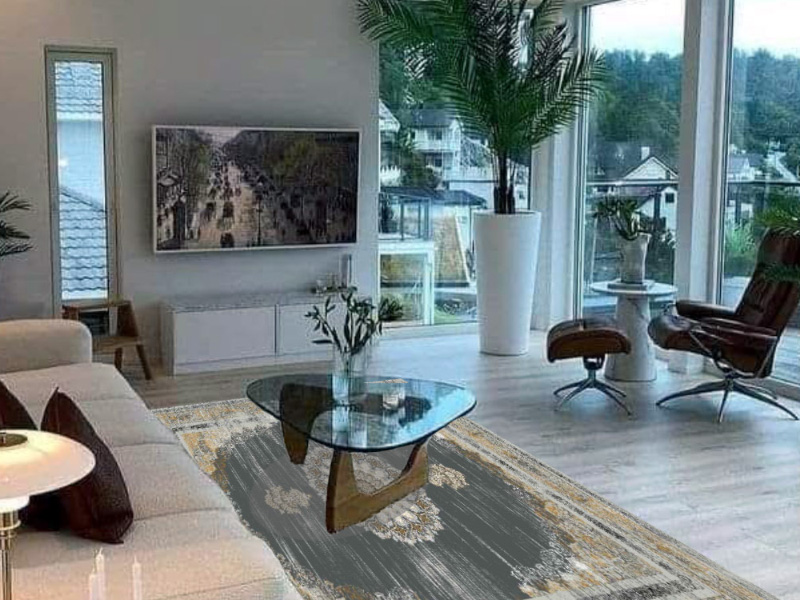 The most common material used for synthetic carpets is polypropylene (PP). BCF or Heat-Set fiber is used to make these carpets. BCF is a primary fiber obtained from an extruder and is used to make less expensive products. The service life of carpets made from BCF thread depends on the quality of the thread and the intensity of use. Heat-Set fiber is made from long BCF yarns twisted around their axis (the greater the twist, the better the quality, but also the higher the cost). To prevent unraveling, the yarn undergoes a special heat treatment. This production method is more expensive than BCF, and consequently, the carpet is more expensive, but it feels softer and more wool-like. The increased elasticity of the fiber allows for very dense, easy-to-clean carpets. They have a longer service life than BCF. The most common material used for synthetic carpets is polypropylene (PP). BCF or Heat-Set fiber is used to make these carpets. BCF is a primary fiber obtained from an extruder and is used to make less expensive products. The service life of carpets made from BCF thread depends on the quality of the thread and the intensity of use. Heat-Set fiber is made from long BCF yarns twisted around their axis (the greater the twist, the better the quality, but also the higher the cost). To prevent unraveling, the yarn undergoes a special heat treatment. This production method is more expensive than BCF, and consequently, the carpet is more expensive, but it feels softer and more wool-like. The increased elasticity of the fiber allows for very dense, easy-to-clean carpets. They have a longer service life than BCF.
Polypropylene comes in three types: BCF, Heat-Set, and Frieze. The first is the stiffest and most fragile, but completely unpretentious, and is therefore used for the production of economy-class carpets. Heat-Set pile is similar to wool—dense, warm, and resilient. Frieze is often used in shaggy carpets, as the wavy shape of the yarn gives the product a unique texture. An important feature of this material from an environmental perspective is its recyclability.
|
|
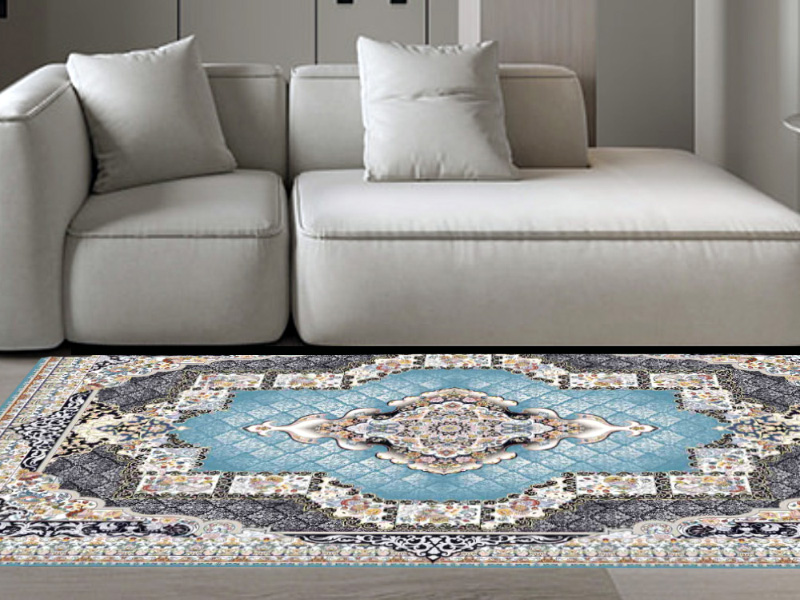 Polyester (PL) carpets are also popular. Polyester is made from synthetic polyester fibers using special technologies. The resulting material has characteristics similar to natural cotton and an appearance similar to wool. Durability: Durable, deformation- and abrasion-resistant fiber that can be dyed in the brightest colors, does not fade in the sun, and dries quickly after getting wet. Polyester (PL) carpets are also popular. Polyester is made from synthetic polyester fibers using special technologies. The resulting material has characteristics similar to natural cotton and an appearance similar to wool. Durability: Durable, deformation- and abrasion-resistant fiber that can be dyed in the brightest colors, does not fade in the sun, and dries quickly after getting wet.
Polyester carpets are similar in appearance to wool, although not as much as acrylic, but have a smoother texture. The disadvantage is that polyester pile is prone to static electricity and melts easily.
When choosing between polypropylene and polyester carpets, most buyers prefer the former. This is because polypropylene is a cheaper material. Polypropylene carpets are also very pleasant to the touch, easy to clean, and hypoallergenic. The advantages of polyester carpets include their higher quality. This material is wrinkle-resistant, easy to clean, and hypoallergenic. The characteristic sheen of polyester carpets is noteworthy, giving them an attractive appearance.
|
|
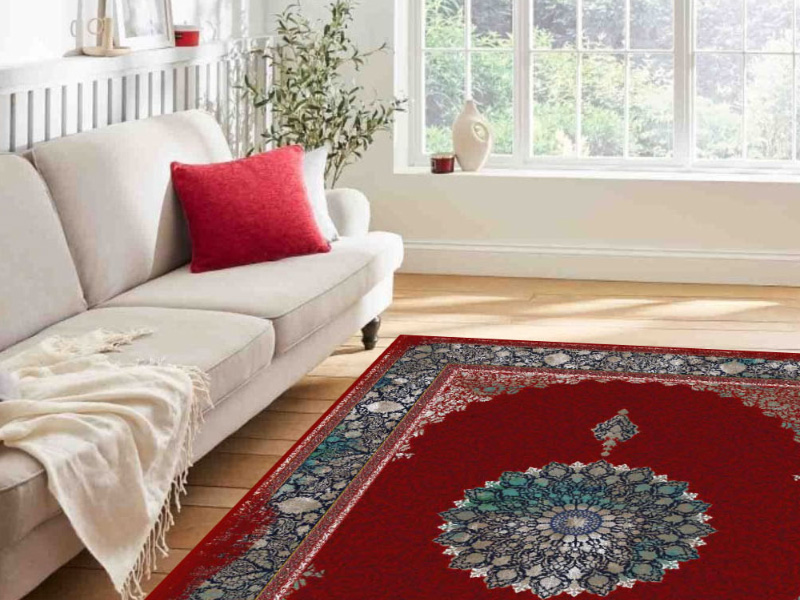 Another synthetic carpet option is acrylic carpets, which are similar in appearance and softness to wool. They are usually combined with other fibers. Products are available in pile-less, long-pile, and short-pile varieties. Another synthetic carpet option is acrylic carpets, which are similar in appearance and softness to wool. They are usually combined with other fibers. Products are available in pile-less, long-pile, and short-pile varieties.
Acrylic carpets are most similar to wool in appearance and texture. They retain heat well, are attractive, pleasant to the touch, and hypoallergenic. This material is more expensive than polypropylene and is sensitive to mechanical stress, so in high-traffic areas, acrylic is sometimes supplemented with viscose thread, creating excellent alternatives to wool and natural silk. Polypropylene is a more common admixture, which improves wear resistance and reduces cost. It is best not to lay a carpet.
|
|
Thank you 😀
|